
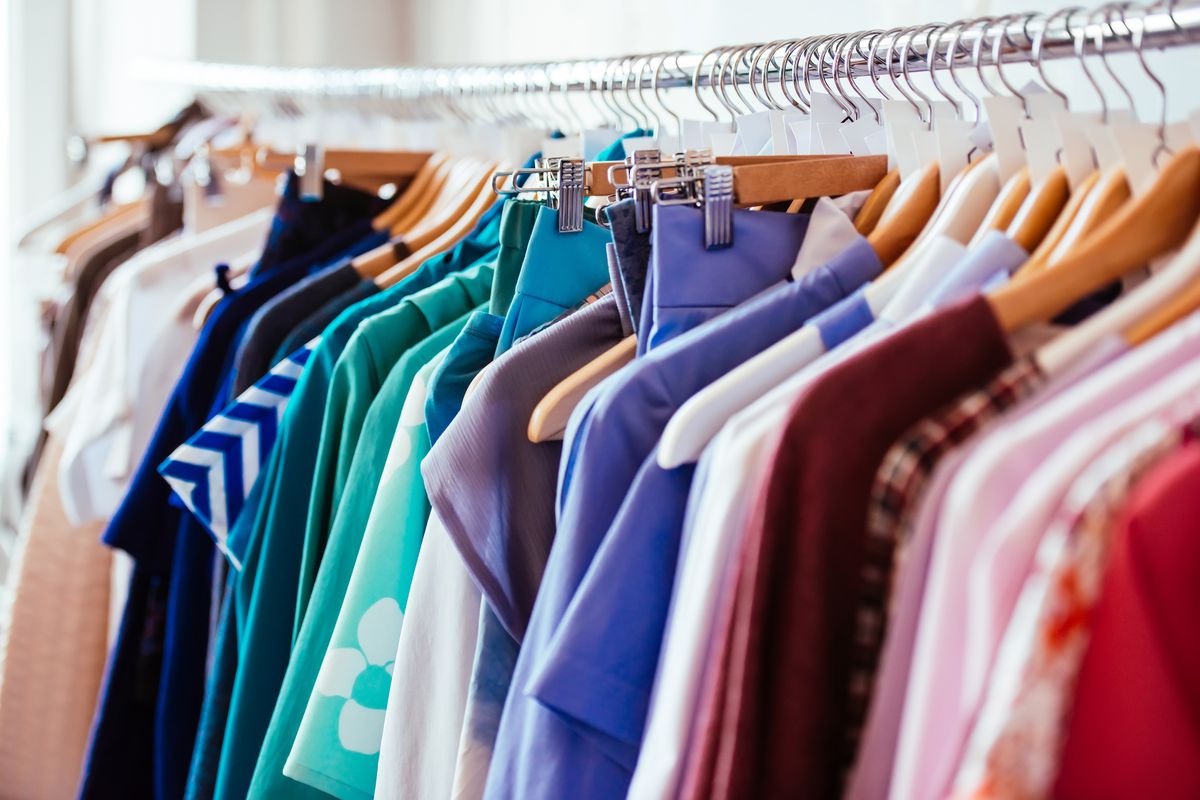
Clothing, often seen as a practical necessity, serves as much more than a means of protection against the elements. It is, in essence, a universal language—a mode of self-expression that communicates everything from social status to personal taste, cultural identity, and even emotional states. As such, the garments we choose to wear become a powerful tool in crafting our outward persona, shaping how we are perceived by others, and ultimately reflecting our inner world.
The Power of Clothing: More Than Just Fabric
From the simplest pair of jeans to the most elaborate couture dress, clothing is a fundamental part of our everyday lives. However, it is the choices we make in what we wear that imbue clothing with deeper meaning. Throughout history, garments have functioned not just as coverings but as markers of identity, belonging, and even defiance. In ancient societies, the colors, fabrics, and cuts of clothing often denoted social rank, with sumptuary laws regulating what individuals could wear based on their social class. In medieval Europe, for example, royalty and clergy donned rich, luxurious fabrics like velvet and silk, while commoners wore more modest materials like wool and linen.
Fast-forward to modern times, and the symbolic power of clothing remains. A tailored suit can exude professionalism, confidence, and authority, while a vintage band tee might signal a sense of nostalgia or rebellion. In today’s world, clothing has become an extension of the self—serving as an art form that allows individuals to experiment with their personal identity, sometimes in ways that challenge societal norms.
The Role of Fashion in Defining Identity
Fashion, by its very nature, is a dynamic reflection of culture, history, and technological progress. It evolves with the times, often mirroring societal changes, political shifts, and advancements in materials and manufacturing techniques. For example, the rise of the women’s suffrage movement in the early 20th century saw the emergence of more practical, less restrictive clothing for women, epitomized by the iconic flapper dress. Similarly, the countercultural movements of the 1960s and 1970s brought with them a wave of bohemian style, marked by flowing garments, ethnic prints, and a rejection of mainstream fashion’s formality.
However, clothing is not only about conforming to or rejecting trends. It is also about finding a way to align one’s inner self with external appearance. The garments we wear can be seen as a reflection of how we want to be seen in the world—whether we seek to blend in or stand out. A person may choose minimalist, neutral tones for their everyday attire to signal a preference for simplicity and understated elegance, while another may gravitate toward bold prints, vibrant colors, and avant-garde designs to express individuality and creativity.
What we wear can also communicate aspects of our personality. For instance, someone who favors tailored suits might project an image of discipline, professionalism, and ambition, while someone who opts for relaxed, casual wear may signal a laid-back attitude and a preference for comfort. In this sense, clothing serves as a non-verbal way of saying something about our worldview, values, and even our mood on a particular day.
The Intersection of Clothing and Culture
Clothing is inherently tied to culture, and this relationship can be seen across the globe in the various traditional garments that have been passed down through generations. Whether it’s the kimono in Japan, the sari in India, or the dashiki in West Africa, these garments serve as much more than clothing—they carry deep cultural significance and serve as an expression of heritage and pride.
In many cases, clothing is a reflection of societal norms, where certain garments are reserved for specific occasions. In the West, for instance, wedding dresses have come to symbolize purity and commitment, with brides often donning white as a sign of new beginnings. In contrast, funeral attire in various cultures tends to lean toward somber tones, such as black, as a sign of mourning and respect.
Globalization has made it easier for different cultures to share their clothing traditions, resulting in cross-cultural exchanges and a broader acceptance of diverse styles. The incorporation of African prints into high fashion, or the rise of “athleisure” as a mainstream fashion trend, exemplifies how clothing has become a melting pot of cultural influences. Fashion houses around the world often draw inspiration from a variety of sources, blending traditional elements with contemporary designs, creating a unique fusion that speaks to both modernity and tradition.
The Role of Clothing in Social Movements
Throughout history, clothing has also played a key role in social and political movements. The way people dress often becomes an act of protest, an assertion of individuality, or a tool for solidarity. One of the most powerful examples of clothing as protest can be seen in the Civil Rights Movement in the United States. African Americans wore specific garments, such as tailored suits, to demonstrate dignity and self-respect in the face of systemic racism. Similarly, the punk movement of the 1970s and 1980s used fashion—studs, leather jackets, and mohawks—to rebel against the establishment and express disdain for mainstream society.
In more recent times, the rise of “fast fashion” has led to a new conversation about the ethics of clothing. Brands like Patagonia and Stella McCartney have used sustainable fashion as a platform for advocacy, encouraging consumers to consider the environmental and human cost of their clothing choices. This has given rise to a growing movement toward ethical consumption and an emphasis on supporting brands that prioritize fair labor practices and eco-friendly materials.
In addition, the #MeToo movement and LGBTQ+ advocacy have seen clothing play an essential role in empowering individuals to express their identity without fear of judgment. Rainbow-colored attire, for instance, has become a symbol of support for the LGBTQ+ community, while clothing items with empowering slogans have been used to challenge traditional gender roles and speak out against inequality.
The Psychological Impact of Clothing
Interestingly, the clothes we wear can have a profound impact on our psychological well-being. There is a phenomenon known as “enclothed cognition,” which suggests that what we wear can influence our thoughts, behavior, and attitudes. For example, studies have shown that people who wear formal attire tend to think more abstractly and exhibit higher levels of confidence than those dressed casually. This has been linked to the psychological association between formal wear and concepts like professionalism, power, and authority.
On the other hand, clothing can also have a significant impact on how we feel about ourselves. A person who wears a garment they feel is flattering or aligns with their personal style may experience an increase in self-esteem and confidence. Conversely, wearing something that feels uncomfortable or mismatched with one’s personal identity can lead to feelings of insecurity and self-doubt.
Conclusion: Clothing as a Canvas for Personal Expression
At its core, clothing is a means of communicating who we are to the world. Whether it is a bold fashion statement or a more reserved, classic look, the clothes we wear can serve as an extension of our personality, beliefs, and cultural identity. Fashion, ever-changing and dynamic, continues to be a reflection of the world around us, capturing the essence of social, political, and cultural movements. As we move through life, our clothing tells the stories of our journey, the experiences that shape us, and the ways in which we wish to be seen.
In the end, clothing is not merely about fabric and stitches—it is an art form, a dialogue, and a reflection of the self. With every garment we choose, we are shaping the story of who we are and how we wish to be understood by the world.