
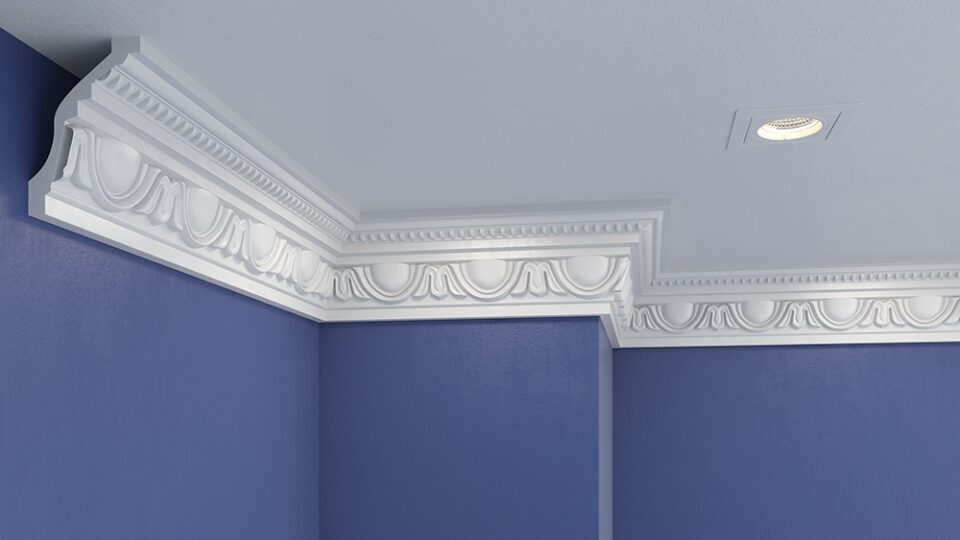
In Thai architecture, from traditional homes to modern condominiums in Bangkok, the small details often make the biggest impact. Decorative moldings add character, depth, and a sense of finish to any room. For centuries, wood has been the material of choice, but its susceptibility to humidity and termites presents ongoing challenges in Thailand’s tropical climate. This is where polyurethane moldings offer a superior alternative, combining classic beauty with modern resilience.
Polyurethane is a high-density foam material that can be shaped into any design, from simple, clean lines to intricate patterns inspired by traditional Thai motifs. Unlike wood, it is completely waterproof and resistant to rot, warping, and insects. This makes it an ideal choice for the country’s humid environment. Options such as prefabricated floor moulding (known as บัวพื้นสําเร็จรูป in Thai) provide a consistent finish that is easy to install, saving both time and labour during construction or renovation projects. These moldings arrive ready to be fitted, offering a perfect look every time.
The versatility of polyurethane extends beyond just its durability. It can be used for crown molding, chair rails, baseboards, and even ornate ceiling medallions. Homeowners and designers can achieve the sophisticated look of plaster or carved wood without the associated weight, cost, or installation difficulties. For instance, creating a feature wall with decorative panel moldings can transform a plain room into an elegant space, reflecting a blend of contemporary style and timeless grace.
One of the great advantages of polyurethane is its adaptability. The material comes primed and ready to paint, allowing you to match it perfectly to your existing colour scheme. You can paint it to look like aged wood for a classic Lanna-style interior or finish it with a high-gloss white for a minimalist, modern feel. This flexibility gives you complete creative control to bring your design vision to life, whether you are renovating a historic shophouse or decorating a new-build villa in Phuket.
Furthermore, the installation process is straightforward. Because polyurethane is lightweight, it is much easier to handle and cut than traditional materials like wood or plaster. It can be affixed using adhesive and nails, reducing the need for specialised tools or highly skilled labour. This not only speeds up the project but can also lead to significant cost savings. The finished result is a seamless and polished appearance that elevates the overall aesthetic of the interior.
For anyone looking to enhance their living space in Thailand, polyurethane moldings represent a smart and stylish investment. They offer the perfect combination of aesthetic appeal and practical performance, standing up to the local climate while providing endless design possibilities. This modern material ensures that the beauty of your home’s architectural details will last for many years to come.