
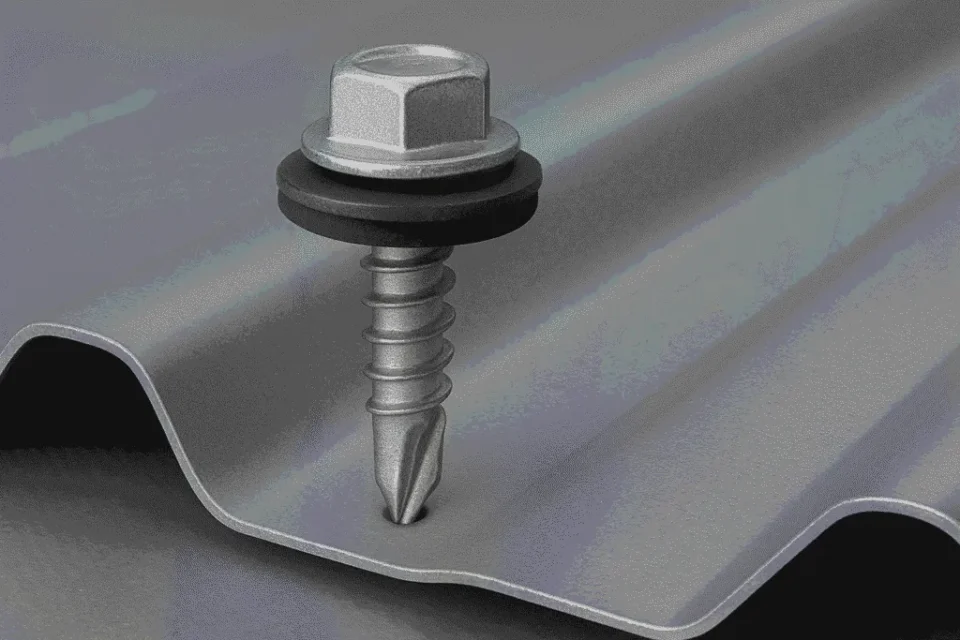
Roofing and cladding work is unforgiving when it comes to fixings. You can have good sheets, decent framing, and careful workmanship, but the wrong screw choice can still lead to leaks, loosened sheets, rust staining, or premature failure. Most of those issues are not “bad luck”, they come down to matching the screw to the substrate, the environment, and the way the roof moves over time. If you are comparing options for roofing screws, it helps to think beyond “will it go in” and focus on what will still be doing its job after seasons of wind, rain, temperature changes, and vibration.
A roofing screw is not just a fastener. It is part of a weatherproofing system. The right choice secures the sheet, maintains a seal, resists corrosion, and stays stable even as materials expand and contract.
Start With The Job: What Are You Fixing, And Into What?
Before you look at coatings or head styles, get clear on the two materials involved: the sheet you are fixing and the structure you are fixing into.
If you are fixing roofing or cladding sheets into timber purlins, the screw needs to bite and hold firmly in timber, which usually means a thread designed for wood. If you are fixing into steel purlins or box section, the screw needs to drill cleanly into steel and form a reliable thread without stripping. Some fixings are designed for metal-to-metal, others for metal-to-timber, and choosing the wrong type is one of the most common causes of poor hold.
Thickness matters too. Steel can range from thin sections to heavier gauge purlins, and the drill point needs to match the thickness it is expected to penetrate. If the drill point is too light for the gauge, the screw will struggle, overheat, and either fail to drill or snap under torque.
The Seal Is Not Optional: Why Washers Matter
On most external roofing applications, a bonded sealing washer is as important as the screw itself. This is often an EPDM washer bonded to a metal cup, designed to compress and create a watertight seal around the fixing point.
Problems usually come from two extremes. If the screw is under-tightened, the washer does not compress enough and water can track in. If it is over-tightened, the washer can distort, split, or squeeze out, which can also lead to leaks. A good seal is firm and even, not crushed.
It is also worth remembering that washers are not all equal. Some materials degrade faster in UV and weather exposure. EPDM is commonly used because it tends to perform well in outdoor conditions, but installation technique still matters. Even the best washer cannot compensate for a fixing driven at an angle or over-torqued.
Choosing The Right Material And Coating For The Environment
Roof fixings live outside, so corrosion resistance is a core requirement, not a bonus feature. The right choice depends on where the building is and what it is exposed to.
In more typical inland environments, high-quality coated screws may be suitable, especially when matched correctly to the roofing system. In harsher conditions, coastal air, industrial exposure, agricultural environments, or areas with persistent moisture, you generally need to think more carefully about corrosion resistance and longevity.
Mixed metals are another issue people overlook. When different metals come into contact in wet conditions, galvanic corrosion can speed up failure. The screw material and coating should be compatible with the sheet and any other components it touches. If you ever see rust streaks around fixings, it often points to a mismatch between the fixing and the environment rather than a problem with the sheet itself.
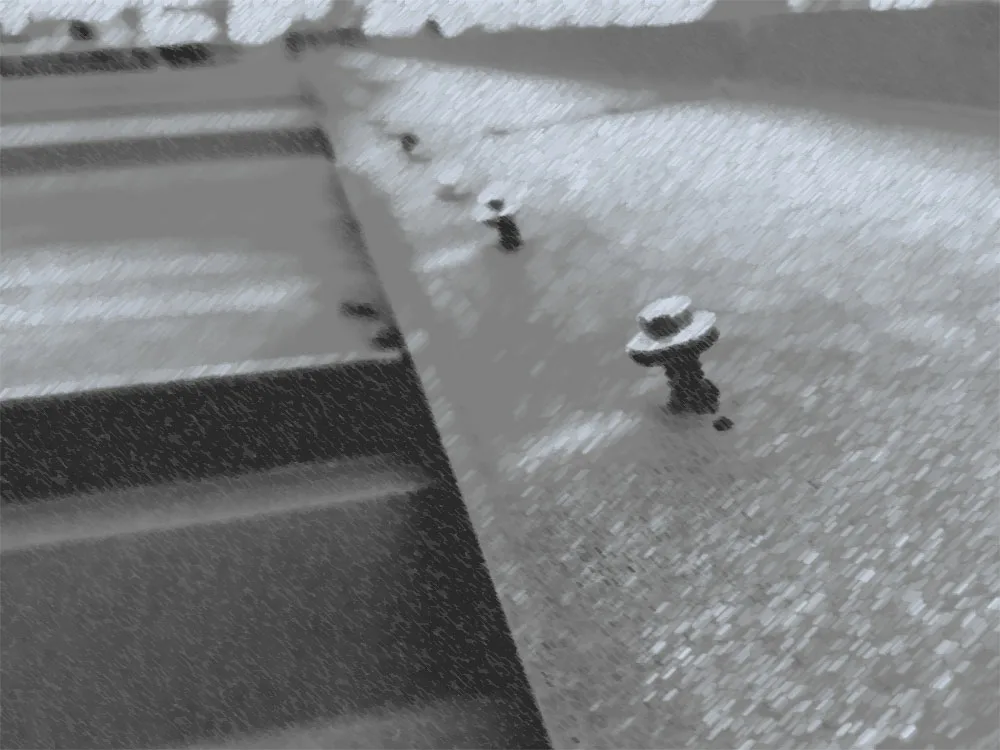
Length And Thread Engagement: Why “Close Enough” Fails
Roofing screws need enough length to go through the sheet, compress the washer, and still achieve proper engagement in the substrate. If a screw is too short, it might “catch” but not hold securely, which increases the chance of movement over time. If it is too long, you can end up with unnecessary protrusion or interference below the sheet line.
The goal is correct thread engagement where it matters. In timber, you want enough thread in the wood to resist pull-out and movement. In steel, you want enough bite to form a stable thread without stripping. If the screw is doing most of its work in a thin section with minimal engagement, it may loosen over time, especially under wind uplift.
Head Style And Driving: Keeping Control Of The Fixing
Roofing screws are typically designed to be driven reliably with appropriate bits. What matters most is that the head style allows consistent torque transfer without cam-out (where the bit slips and damages the head).
On a roof, you want control. Slippage leads to damaged heads, compromised coatings, and inconsistent seating. That is one reason correct driver bits and a steady driving technique matter. A neat fixing is not just cosmetic. It preserves the protective finish and reduces the chances of early corrosion.
Installation Details That Make Or Break Performance
Even the correct screw can fail early if the installation is sloppy. Roofing moves, wind loads fluctuate, and temperatures change. Your fixings need to cope with that.
One frequent cause of issues is driving at an angle. When a screw goes in skewed, the washer compresses unevenly and the seal is weaker on one side. Another is over-tightening. People often assume tighter equals safer, but excessive torque can strip threads, deform sheet profiles, and damage washers.
It is also worth paying attention to where the fixing lands on the sheet profile. Different sheet types have different recommended fixing points. Fixing in the wrong place can increase movement, reduce the seal quality, or create stress points that shorten the life of the installation.
How To Compare Roofing Screws Without Getting Lost In Specs
If you are choosing between products, focus on the factors that actually affect outcome:
First, match the screw to the substrate: timber or steel, and the thickness of that substrate. Second, confirm it is designed for external use with appropriate corrosion protection. Third, ensure the fixing includes a suitable bonded washer when weather sealing is required. Finally, choose a length that gives proper thread engagement rather than “just enough to go through”.
That approach keeps the decision practical. You are not buying a screw, you are buying a secure fixing that stays tight and sealed.
The Mistakes That Cause Most Callbacks
When roofing and cladding fixings fail, it is usually for one of these reasons: the drill point was wrong for the steel gauge, the washer was over-compressed or under-seated, the screw material or coating was not suited to the environment, or the screw length did not provide proper engagement.
Avoid those mistakes and most roof fixing issues never appear in the first place. The installation looks cleaner, performs better, and holds up through the weather without rusting, loosening, or leaking.