
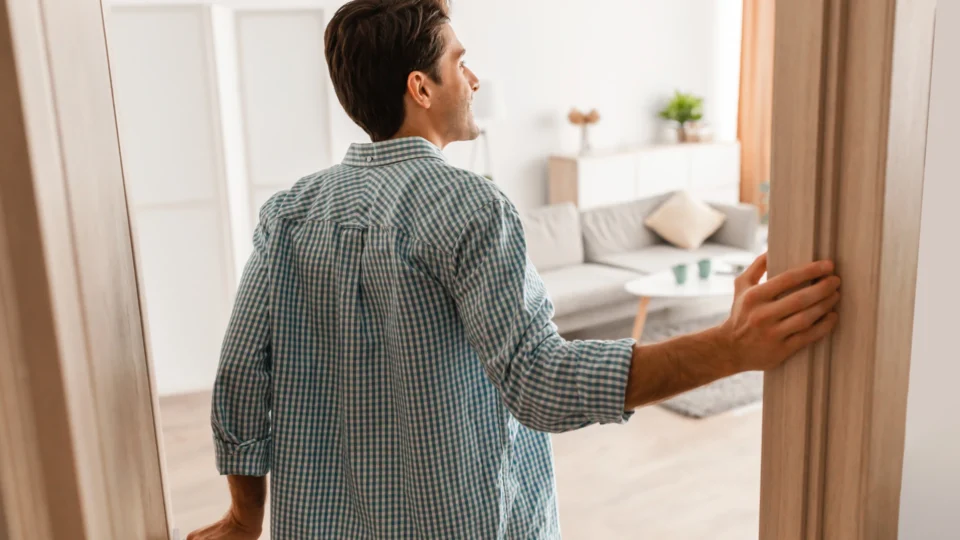
Some parts of a home quietly shape daily experience without ever becoming the focus of attention. Entrances fall into that category. They’re used constantly, yet rarely examined unless something interrupts the routine. It’s in that everyday context that Doors in Glasgow tend to feature, as a normal part of how people move in and out of their homes rather than as a design statement or upgrade decision.
Doors are touched, opened, closed, leaned on, and locked dozens of times a day. Because of that frequency, even small details influence comfort and behaviour more than people realise.
How Doors Affect Daily Movement Through a Home
The way a door opens and closes sets the tone for how a space is used. A door that moves smoothly and seals properly allows people to pass through without thinking. When it doesn’t, routines subtly change.
People rush entry and exit. They avoid using certain doors in bad weather. They keep internal doors closed more often to manage temperature or noise. None of these behaviours feel deliberate, but over time they reshape how a home functions.
Ease of use matters here. Handles, hinges, thresholds, and closing mechanisms all contribute to how intuitive an entrance feels. When those elements work together, the door disappears into the background of daily life.
The Relationship Between Doors and Comfort
Doors sit at one of the most important boundaries in a building. They influence how heat, sound, and air move between inside and out. When that boundary performs consistently, internal spaces feel more stable.
This stability affects how rooms are used. Areas near entrances feel just as usable as those deeper inside the house. Furniture placement becomes more flexible. People linger rather than moving quickly away from colder or noisier spots.
What’s notable is that comfort doesn’t need to be perfect to feel effective. Consistency matters more than extremes. When conditions don’t change dramatically from one moment to the next, the space feels easier to live in.
Security as a Feeling, Not Just a Feature
Security isn’t only about physical strength. It’s also about confidence. A door that feels solid, closes cleanly, and behaves predictably contributes to a sense of control.
Visibility plays a part too. Being able to see outside before opening a door reduces uncertainty. It allows people to decide how to engage rather than react. This sense of awareness often contributes more to feeling secure than visible reinforcement.
Homes that feel secure without feeling closed off tend to balance protection with openness. That balance supports calm rather than tension.
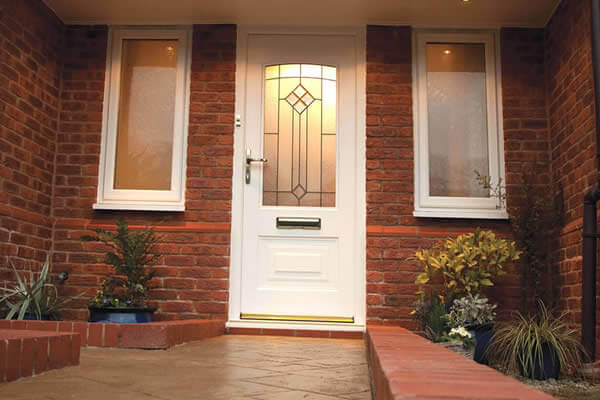
Why Small Door Issues Get Normalised
Because doors are so familiar, small issues are often ignored. A slight draught. A lock that needs an extra turn. A door that needs a firm push to close properly. These things become habits rather than problems.
People adjust without thinking. They pull harder. They check twice. They avoid certain entrances at certain times of day. Over time, these workarounds become routine, masking the reason they’re needed.
Paying attention to these patterns offers insight into how well a home supports daily life. Doors don’t demand attention, but they influence comfort, security, and movement more than most people expect.
When Familiar Features Shape Everyday Experience
Doors aren’t the most dramatic part of a house, but they’re among the most influential. They mark transitions, manage boundaries, and quietly shape how people feel as they arrive and leave.
When they work well, they go unnoticed. When they don’t, routines bend around them. Understanding that influence helps explain why entrances matter, not as features to admire, but as elements that support everyday living without asking for constant adjustment.