
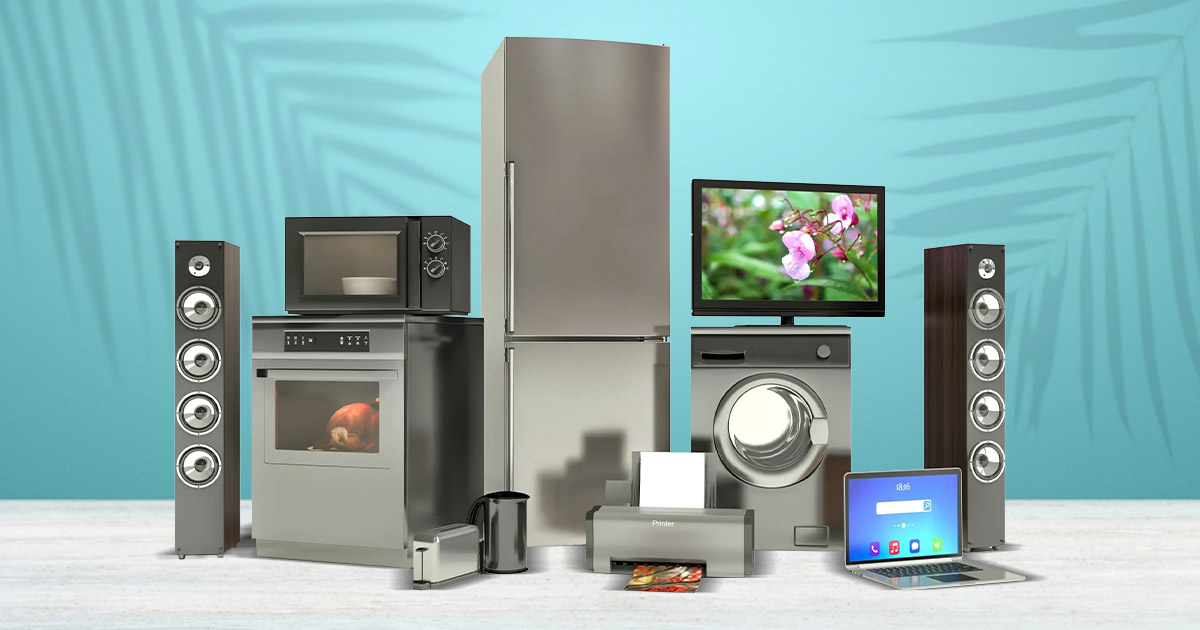
Home appliances are not just convenient additions to our living spaces; they are integral parts of the modern household, shaping how we live, work, and experience comfort. From refrigerators that keep our food fresh to washing machines that free us from the drudgery of handwashing, these appliances have evolved into sophisticated, multifunctional devices that save time, enhance efficiency, and contribute to a higher quality of life. Over the years, the development of home appliances has paralleled advancements in technology, making domestic chores not only easier but also more sustainable and intelligent.
The History and Impact of Home Appliances
The history of home appliances is a fascinating journey of innovation and necessity, beginning with simple, mechanical devices and gradually evolving into the digital, smart devices we rely on today. Early appliances were relatively rudimentary, designed primarily to assist with the most mundane household tasks. Take, for example, the washing machine—once a hand-powered contraption, it has transformed into an automatic, water-efficient marvel that can handle delicate fabrics, sanitize laundry, and even steam clean items like comforters and pillows.
Similarly, the refrigerator, which was once a luxury item only found in the homes of the wealthy, has now become a staple of modern kitchens. Before refrigeration, families relied on iceboxes or preserved food through canning and salting. The advent of electric refrigerators in the early 20th century revolutionized the way we store food, making it easier to maintain fresh ingredients, reduce waste, and save money by buying in bulk.
The 20th century witnessed a surge in household appliance innovation, driven by technological advancements and changing social dynamics. As women entered the workforce in greater numbers, the demand for time-saving devices grew, and manufacturers responded with an array of appliances designed to lessen the burden of domestic labor. Dishwashers, microwaves, and coffee makers became commonplace, transforming kitchens into efficient, multi-functional spaces. With these appliances, individuals could now prepare meals, clean dishes, and even brew coffee with a fraction of the effort previously required.
The Modern Home Appliance: Efficiency and Sustainability
In the contemporary world, home appliances have evolved beyond simply performing basic tasks. They now offer an array of features that enhance convenience, efficiency, and sustainability. Many modern appliances, for example, are designed to reduce energy consumption, helping households minimize their environmental footprint and lower utility bills. The introduction of Energy Star-rated products has been a significant development in this regard, as manufacturers strive to create appliances that meet rigorous energy efficiency standards without sacrificing performance.
Washing machines and dishwashers are prime examples of how energy efficiency has become a key feature in modern appliance design. Today’s washing machines use advanced sensors to adjust water levels and washing cycles based on load size, fabric type, and soil level, ensuring minimal water and energy usage. Similarly, dishwashers have become increasingly sophisticated, offering eco-friendly wash cycles that use less water while maintaining high cleaning performance. These innovations not only conserve resources but also reflect a growing consumer awareness of sustainability and environmental responsibility.
Refrigerators, too, have seen significant improvements in energy efficiency. The latest models are equipped with features like improved insulation, variable-speed compressors, and advanced temperature controls, all of which help reduce energy consumption without compromising the appliance’s ability to preserve food. Some refrigerators even come with smart capabilities that allow users to monitor and adjust settings remotely, further enhancing convenience and energy savings.
The Rise of Smart Appliances
Perhaps the most significant advancement in home appliances in recent years is the advent of smart technology. Smart appliances—those that can be controlled and monitored via smartphone apps, voice assistants, or home automation systems—are becoming increasingly common in homes around the world. These appliances are designed to make daily life more convenient, intuitive, and connected.
Smart refrigerators, for instance, can keep track of groceries, alert users when they’re running low on essential items, and even suggest recipes based on the ingredients inside. Some models come with built-in cameras, allowing users to check their fridge’s contents remotely. This feature can be especially helpful when planning meals or grocery shopping, ensuring that items are not bought unnecessarily and that food is used before it expires.
Likewise, washing machines, dryers, and dishwashers now often feature Wi-Fi connectivity, enabling users to start, stop, or monitor their laundry and cleaning cycles remotely. Many smart washing machines are equipped with sensors that can detect the type of fabric being washed and adjust the cycle accordingly, ensuring optimal cleaning while minimizing energy consumption. In addition, some dishwashers now come with the ability to detect the level of soiling on dishes and adjust wash settings to provide the best results.
Another example of the increasing popularity of smart home appliances is the smart oven. These ovens can be controlled remotely, preheated, and set to specific cooking temperatures from a mobile device. They can even send notifications when food is done, preventing overcooking or burning. In some cases, they can also sync with recipes, adjusting cooking times and temperatures for optimal results.
While these devices undoubtedly add a layer of convenience to everyday life, they also represent a shift toward greater personalization and integration within the smart home ecosystem. By linking various appliances together, homeowners can create a seamless, interconnected living experience where every device works together to optimize performance, efficiency, and comfort.
The Role of Home Appliances in Enhancing Lifestyle
Home appliances have become synonymous with convenience, and this convenience extends far beyond simply saving time or reducing manual labor. Today, they play an integral role in improving the quality of life, enhancing health and wellness, and even contributing to overall happiness.
Take, for example, air purifiers. In an age of heightened awareness about air quality and respiratory health, these appliances have gained prominence. They are designed to remove allergens, dust, and pollutants from the air, creating a healthier and more comfortable environment indoors. For individuals suffering from asthma or allergies, air purifiers have become indispensable, offering relief and promoting better sleep and overall well-being.
Similarly, appliances like coffee machines and blenders have become everyday tools for enhancing lifestyle and well-being. The growing popularity of single-serve coffee makers and high-performance blenders reflects a desire for convenience without sacrificing quality. Whether it’s starting the day with a fresh cup of coffee or preparing a smoothie packed with nutrients, these appliances cater to the modern desire for efficiency paired with quality results.
In kitchens, the availability of appliances like induction cooktops, air fryers, and pressure cookers has enabled individuals to experiment with new cooking techniques, providing healthier and more efficient alternatives to traditional methods. These appliances allow for faster cooking times and greater control over ingredients, empowering home cooks to create gourmet meals with ease.
Future Trends: The Next Generation of Home Appliances
Looking ahead, the future of home appliances seems poised for further innovation. As artificial intelligence (AI) and machine learning continue to advance, we can expect appliances to become even smarter, more intuitive, and more responsive to our needs. Voice-controlled appliances, capable of anticipating user preferences and adjusting settings automatically, are likely to become more commonplace. Appliances may also become increasingly self-sustaining, with predictive maintenance features that allow them to detect malfunctions before they occur and alert users for service or repairs.
In addition, with the ongoing emphasis on sustainability, future home appliances are likely to integrate more eco-friendly materials and technologies. Solar-powered appliances, water-saving innovations, and materials that are easier to recycle will become standard as consumers demand more environmentally conscious products.
Conclusion: The Silent Helpers of Modern Life
Home appliances have come a long way from their humble beginnings. Once considered luxuries, they are now essential components of daily life, offering unparalleled convenience, efficiency, and comfort. From their ability to save time to their contributions to sustainability and wellness, appliances have become an inseparable part of modern living. As technology continues to evolve, the next generation of home appliances will undoubtedly bring even greater advancements, further enhancing our lives and making everyday tasks more efficient and enjoyable. The evolution of these devices is a testament to the ways in which innovation can shape our homes, our routines, and ultimately, our lifestyle.