
Introduction
In the serene world of aquariums, fish are not the only stars of the show. A beautifully planted tank transforms a glass container into a living piece of art. Fish tank plants—whether lush and sprawling or minimalist and architectural—not only elevate the aesthetic value of your tank but also contribute meaningfully to its ecosystem. These silent workhorses provide oxygen, help balance water chemistry, and offer shelter and security to aquatic inhabitants. For aquarists seeking to bring harmony and life to their tanks, understanding how to select and care for aquarium plants is as vital as choosing the right fish.
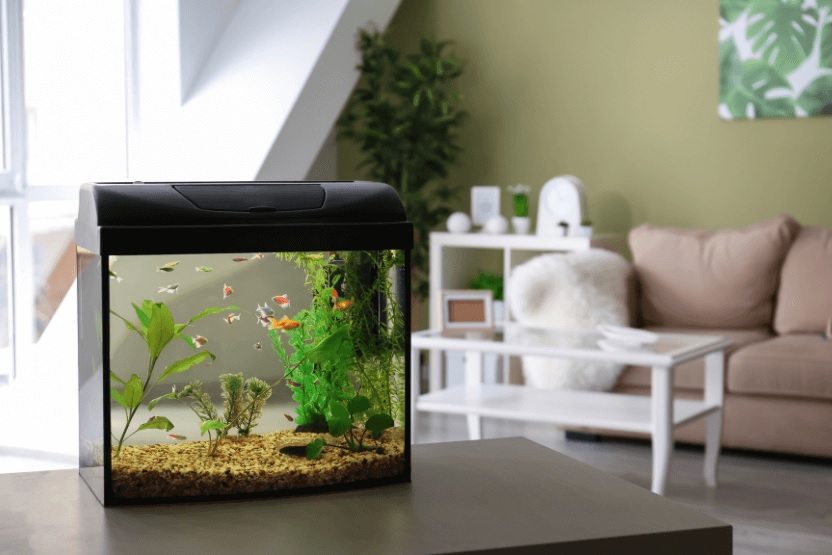
Adding fish tank plants boosts your aquarium’s aesthetics while improving water quality. They provide hiding spots for fish and help maintain a healthier ecosystem. From foreground covers to tall background plants, fish tank plants play a vital role in creating a vibrant, balanced aquatic habitat for your pets.
Why Aquarium Plants Matter
While decorative gravel and colorful plastic accessories may suffice for a novice setup, live plants offer unmatched benefits:
-
Natural Filtration: Plants absorb nitrates and ammonia, helping maintain water quality.
-
Oxygenation: Through photosynthesis, plants release oxygen into the water, enhancing the environment for fish and beneficial bacteria.
-
Algae Control: Healthy plant growth competes with algae for nutrients, reducing unsightly blooms.
-
Aesthetic Harmony: The interplay of light, motion, and natural plant forms creates a tranquil underwater landscape that soothes and captivates.
Types of Fish Tank Plants: A Diverse Botanical World
Aquarium plants can be broadly categorized based on where they grow within the tank environment:
1. Foreground Plants
These are typically low-growing species used to create a carpet-like effect in the front of the aquarium.
-
Dwarf Hairgrass (Eleocharis acicularis): Creates a lush, grassy look.
-
Java Moss: Easy to maintain and excellent for shrimp tanks.
-
Marsilea Minuta: A slow-growing, clover-like plant that thrives in various conditions.
2. Midground Plants
Placed in the middle area of the tank, these plants help create depth and a natural layering effect.
-
Cryptocoryne wendtii: Known for its broad, textured leaves.
-
Anubias barteri: Hardy and ideal for attaching to driftwood or rocks.
-
Lobelia cardinalis: Adds a splash of color with its rich green and reddish hues.
3. Background Plants
These plants grow tall and often form the backdrop of your aquatic layout.
-
Amazon Sword (Echinodorus amazonicus): A striking, broad-leafed option for large tanks.
-
Vallisneria: Known for its long, ribbon-like leaves that wave gently in the current.
-
Hygrophila difformis: Fast-growing and ideal for absorbing excess nutrients.
Choosing the Right Plants for Your Tank
Not all aquatic plants thrive under the same conditions. Before selecting your greenery, consider the following:
-
Tank Size and Layout: Large plants can overwhelm a small tank, while tiny species may get lost in a sprawling setup.
-
Lighting Requirements: Some plants need intense light, while others do well in low-light environments. Match plant types with your tank’s lighting system.
-
Water Parameters: Pay attention to pH, hardness, and temperature preferences.
-
Fish Compatibility: Some fish, like goldfish and cichlids, are notorious for uprooting or nibbling on plants. Opt for hardy, fast-growing species in such tanks.
Substrate and Nutrients: The Foundation of Growth
Healthy plants begin with a healthy foundation. While some species are epiphytes that attach to surfaces, most aquarium plants require a nutrient-rich substrate. Options include:
-
Aquasoil: Ideal for planted tanks, offering a high nutrient content.
-
Gravel with Root Tabs: A cost-effective option where nutrients are added via tablets.
-
Sand: Aesthetic but less nutrient-rich unless supplemented properly.
Supplemental fertilization—via liquid fertilizers or root tabs—is essential, especially in high-tech tanks with CO₂ injection. Balancing macro and micronutrients ensures lush, vibrant growth.
Maintenance and Care: The Art of Balance
Caring for aquarium plants involves more than just trimming and fertilizing. Here’s how to maintain a healthy underwater garden:
-
Regular Pruning: Prevents overcrowding and encourages bushier growth.
-
Algae Control: Limit light exposure to 8–10 hours per day and avoid overfeeding fish.
-
Water Changes: Weekly partial water changes help remove excess nutrients and replenish minerals.
-
Observation: Watch for yellowing leaves, melting plants, or stunted growth—all signs that conditions may need adjustment.
Low-Tech vs. High-Tech Planted Tanks
Not every aquarist needs a CO₂ injection system and high-intensity lighting. Here’s a quick comparison:
Low-Tech Tanks
-
Rely on low light and minimal supplementation.
-
Ideal for beginners or those seeking low maintenance.
-
Use hardy plants like Java Fern, Anubias, and Cryptocoryne.
High-Tech Tanks
-
Require precise control of light, CO₂, and fertilization.
-
Enable the growth of delicate species and denser aquascapes.
-
Offer vibrant coloration and faster growth but demand more attention.
Designing Your Aquascape: From Nature to Art
A successful aquascape marries biology with artistry. Techniques such as the “golden ratio” or “rule of thirds” guide the eye through the tank. Consider these styles:
-
Nature Style: Mimics natural landscapes—mountains, forests, or valleys.
-
Iwagumi Style: Minimalist, using stones as focal points with simple plant layouts.
-
Dutch Style: Emphasizes dense plant arrangements and vibrant color contrasts.
Using driftwood, stones, and varying plant heights can bring structure and visual interest to your design. Planning and patience are key; most aquascapes take weeks to mature into their full glory.
Conclusion
Fish tank plants are much more than decorative elements. They are living, breathing components of an underwater ecosystem that can transform an ordinary aquarium into a sanctuary of natural beauty. Whether you’re a beginner starting with hardy low-light species or an advanced aquarist crafting an intricate aquascape, the rewards of incorporating plants are both aesthetic and ecological. In cultivating these aquatic gardens, we nurture not just aquatic life, but our own sense of calm and wonder.
By investing in the right species, understanding their needs, and taking a thoughtful approach to care and design, you’ll find that your planted tank becomes not only a conversation piece—but a living testament to nature’s quiet elegance.