
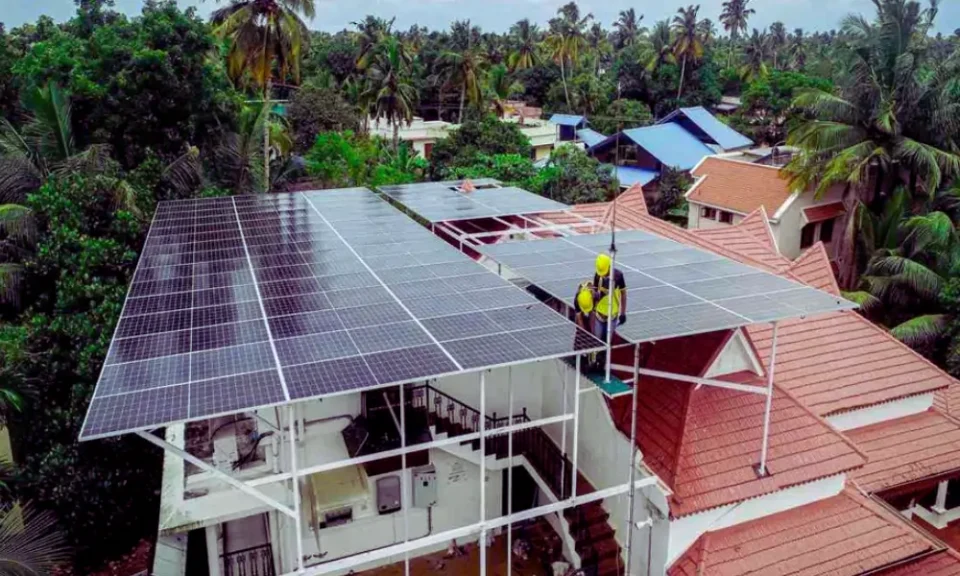
Thailand is rapidly transforming its approach to energy consumption, thanks to the increasing adoption of solar systems. Over the past decade, the country has embraced sustainable energy solutions to tackle issues like high electricity costs and environmental concerns. Among these solutions, solar energy has emerged as a prominent and viable alternative. This shift is not just a reflection of global trends but also a response to the specific energy challenges faced in Thailand. For further insights into solar systems and their applications, visit https://kunini.com/.
Rising energy demands coupled with fluctuating fossil fuel prices make solar energy a practical solution for Thai households and businesses. Solar systems provide consistent power generation, leveraging the country’s abundant sunshine throughout the year. Thailand’s geographical location offers a high potential for solar energy production, which makes this renewable source an ideal fit for the nation’s energy needs. The government has also recognised this opportunity and introduced supportive policies to encourage adoption.
One of the most notable impacts of solar systems in Thailand is their contribution to energy independence. By relying less on imported energy sources, the country can stabilise its energy costs and reduce vulnerability to external market fluctuations. Solar solutions also allow consumers to generate their own electricity, reducing reliance on the national grid. This shift not only empowers individuals but also helps decentralise energy production, improving overall efficiency.
Solar Energy in Action
Several provinces in Thailand have taken bold steps to integrate solar power into their daily lives. From residential rooftops to commercial buildings and even farms, solar panels are now a common sight across the country. Farmers, for example, are increasingly using solar systems to power irrigation pumps and other farm equipment, enabling sustainable agriculture practices. Similarly, businesses are cutting operational costs by incorporating solar energy into their facilities.
The education sector has also joined the movement, with schools and universities setting up solar panels as part of initiatives to lower energy expenses and promote environmental awareness. These projects are not only reducing carbon footprints but are also inspiring future generations to adopt greener practices.
Environmental and Economic Benefits
Solar systems are playing a pivotal role in reducing Thailand’s carbon emissions. By replacing traditional fossil fuels with clean energy sources, the country is making strides toward its environmental goals. Reduced carbon output aligns with agreements such as the Paris Accord, showcasing Thailand’s commitment to global efforts on climate change.
On the economic front, solar energy presents cost-saving advantages for households and businesses. While the initial setup requires investment, the long-term savings through reduced electricity bills make this an attractive option. Additionally, as technology advances and solar components become more affordable, the entry barrier for people interested in renewable energy solutions continues to lower.
The Road Ahead
Thailand’s shift towards solar systems is a testament to the nation’s adaptability and vision for a sustainable future. With increasing participation from individuals, organisations, and policymakers, the country is setting a strong example in renewable energy adoption. Solar power is no longer just an alternative; it’s becoming a fundamental part of Thailand’s energy landscape. This transformation is not only reshaping how energy is produced and consumed but also contributing to a brighter and cleaner tomorrow.