
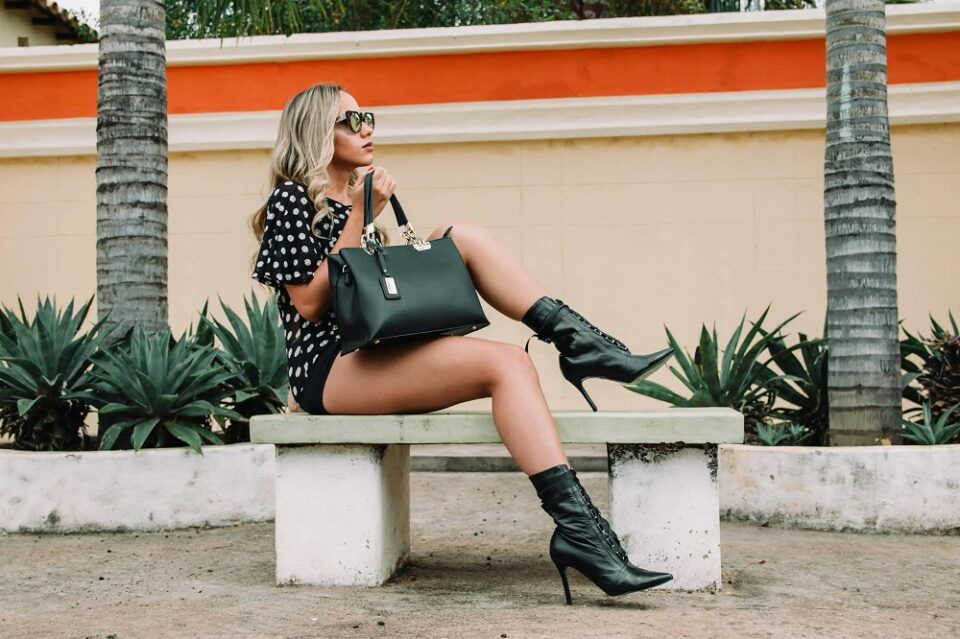
Fashion is often understood through the lens of major garments like coats, trousers, dresses, and suits. However, the true narrative of modern fashion trends is written in the details. Accessories, once viewed as secondary additions to an outfit, have evolved into the primary drivers of contemporary style. They serve as cultural indicators, tools for self-expression, and the structural foundations of the global fashion economy.
In an era defined by fast-paced trend cycles, digital media, and a shifting consumer focus toward sustainability, accessories hold unprecedented power. They possess the unique ability to transform a single, static wardrobe into a dynamic canvas capable of reflecting ever-changing cultural moments. Understanding the multi-faceted role of accessories is essential to deciphering how modern fashion trends operate, spread, and endure.
The Catalyst for Trend Acceleration and Digital Culture
The modern fashion landscape moves at a velocity entirely different from the seasonal runways of the past. Social media platforms have democratized fashion, allowing niche aesthetics to become global phenomena overnight. Within this rapid environment, accessories act as the ultimate vehicle for trend adoption.
High Visibility in Visual Media
Modern fashion communication relies heavily on cropped formats, from vertical smartphone videos to curated square images. In these tight visual frames, a statement pair of sunglasses, a unique shoulder bag, or an oversized hair clip commands immediate attention. Garments often require full-length framing to be fully appreciated, but accessories deliver an instant visual punch. Because they occupy highly visible zones near the face and hands, they become the focal point of digital content, accelerating their transformation into viral trends.
Affordable Entry Points to High Fashion
The financial reality of modern luxury fashion means that ready-to-wear garments, such as designer jackets or tailored evening gowns, are priced beyond the reach of the average consumer. Accessories bridge this economic gap. A designer belt, a branded cardholder, or a signature fragrance allows consumers to participate in a luxury trend without making a massive financial commitment. This phenomenon, known as the entry-level luxury market, relies heavily on accessories to sustain the cultural relevance and economic health of historic fashion houses.
Redefining Wardrobe Longevity and Sustainability
As awareness of environmental issues grows, consumers face a paradox: the desire to participate in new trends versus the need to reduce textile waste. Accessories provide an elegant solution to this modern dilemma by extending the lifecycle of foundational clothing.
Maximizing the Utility of Basics
A sustainable wardrobe relies on high-quality, neutral basics, such as a plain white t-shirt, a classic blazer, and dark-wash denim. On their own, these items can feel repetitive. Accessories act as a stylistic pivot point. By swapping a minimalist canvas tote for a structured leather briefcase, or exchanging canvas sneakers for polished leather boots, the wearer can completely alter the context of an outfit. This adaptability allows consumers to participate in seasonal aesthetics without purchasing entirely new sets of clothes, directly combating the throwaway culture of fast fashion.
The Rise of the Resale Market
The booming secondhand and vintage fashion market is anchored by accessories. Unlike clothing, which faces strict limitations due to sizing and bodily wear, accessories like jewelry, scarves, and luxury handbags hold their structural integrity and value over decades. A vintage timepiece or a classic luxury bag from the 1990s can be integrated into a modern outfit, adding a layer of historical depth and authenticity. This circular economy ensures that premium accessories remain relevant across multiple generations of fashion trends.
Breaking Traditional Boundaries: Gender Fluidity and Utility
Modern fashion is characterized by the dismantling of rigid, historical categories. Accessories have been at the forefront of this shift, leading the charge toward gender-fluid styling and functional design.
The Deconstruction of Gendered Style
The division between men’s and women’s accessories has steadily blurred in recent years. Jewelry items traditionally marketed toward women, such as pearl necklaces, delicate chain bracelets, and gem-encrusted rings, are now commonplace in men’s high fashion and streetwear. Similarly, structured utilitarian bags and minimalist leather goods are designed with a gender-neutral ethos. This fluidity allows individuals to select accessories based purely on aesthetic harmony and personal preference rather than societal expectations, broadening the creative scope of modern design.
The Elevation of Utilitarian Design
Modern trends heavily favor tech-forward and utilitarian aesthetics, driven by the demands of urban living and hybrid work environments. Accessories have adapted by merging pure utility with high-end style.
-
Modular Crossbody Bags: Bags featuring detachable pouches, strap rings, and weather-resistant fabrics have moved from outdoor gear to urban street style.
-
Functional Eyewear: Blue-light blocking glasses and wrap-around performance sunglasses serve a dual purpose of health protection and stylistic edge.
-
Tech Integration: High-end leather cases for wireless headphones and sleek smart-watch bands treat everyday technology as a luxury accessory.
Identity, Subculture, and Cultural Expression
Accessories have always been used to signal belonging to specific subcultures, social classes, or ideological movements. In contemporary fashion, they remain the most potent tools for communicating identity.
Signaling Subcultural Alignment
Whether it is the chunky silver hardware of a punk-inspired aesthetic, the woven leather of bohemian style, or the clean, unbranded lines of the quiet luxury movement, accessories act as a shorthand code. They allow individuals to signal their cultural tastes and values to peers without uttering a word. Because accessories can be easily added or removed, they allow people to experiment with different identities and subcultures without committing to a permanent lifestyle change.
The Return of Artisanal Craftsmanship
In reaction to mass-produced, uniform goods, modern consumers are increasingly drawn to accessories that tell a story of human craftsmanship. Hand-woven hats, independently forged silver jewelry, and vegetable-tanned leather goods that develop a unique patina over time are highly sought after. These items inject a sense of individuality into an outfit, serving as a counter-narrative to the sterile homogeneity of globalized fast fashion.
Frequently Asked Questions
Why do fashion trends often start with accessories rather than clothing?
Accessories carry a lower barrier to entry for both designers and consumers. For a designer, conceptualizing a unique handbag or pair of sunglasses requires fewer fitting adjustments and textile sourcing complexities than an entire clothing line. For consumers, accessories require no sizing changes and can be integrated immediately into existing outfits. This ease of creation and consumption allows accessory trends to manifest, gain traction, and spread across the market much faster than complex garment silhouettes.
How has the rise of remote work influenced modern accessory trends?
Remote and hybrid work structures have shifted the focus of accessories to the waist-up region, often referred to as above-the-desk styling. Because professional interactions frequently occur via video calls, statement earrings, delicate necklaces, structured collars, and refined eyewear have seen an increase in importance. These accessories allow professionals to present a polished, intentional image on screen while maintaining the comfort of casual clothing below the frame.
What role do accessories play in the quiet luxury trend?
The quiet luxury trend relies on minimalism, exceptional materials, and the complete absence of obvious branding or logos. In this context, accessories are the elements that solidify the look. A quiet luxury outfit relies on the flawless texture of an unbranded, finely stitched leather belt, the precise weight of a solid gold minimalist ring, or the exquisite drape of a heavy silk scarf. The accessories whisper quality through craftsmanship rather than shouting through logos, proving that luxury lies in execution rather than advertisement.
Can old or outdated jewelry be modernized to fit current fashion trends?
Yes, older or inherited jewelry can be seamlessly integrated into modern trends through strategic layering and mixing. A contemporary trend involves mixing metals, such as wearing silver and gold chains together, which instantly modernizes older, single-metal pieces. Additionally, vintage brooches can be pinned onto modern blazers or denim jackets, and classic pendant necklaces can be stacked with contemporary minimalist chains to create a personalized, multi-dimensional look that bridges past and present styles.
How do footwear trends influence the silhouette of modern clothing?
Footwear dictates the proportion and drape of trousers and skirts. For example, the trend toward chunky, thick-soled sneakers and heavy combat boots directly influenced the rise of wide-leg, relaxed-fit denim and oversized trousers, as slimmer pants would look unbalanced against bulky shoes. Conversely, when sleek, pointed-toe loafers or ballet flats trend, clothing silhouettes often shift toward tailored, cropped trousers and structured hemlines to highlight the footwear line.
What is the environmental impact of synthetic accessories compared to leather ones?
The environmental impact is complex and depends on the specific materials used. Synthetic accessories, often marketed as vegan leather, are typically made from polyurethane or polyvinyl chloride, which are petroleum-derived plastics that do not biodegrade and can release harmful chemicals during production. High-quality animal leather requires resource-intensive farming and chemical tanning processes, but it offers extreme durability and eventual biodegradability. Modern trends are pushing toward bio-based synthetic alternatives made from cactus, pineapple, or mushroom fibers to mitigate both issues.
How do cultural heritages express themselves through modern accessory design?
Global designers increasingly use accessories to honor and preserve traditional craftsmanship within modern fashion frameworks. This is seen in the integration of indigenous beadwork on luxury handbags, traditional filigree techniques in contemporary jewelry collections, and hand-loomed textiles used in modern headwear. By scaling these artisanal practices into accessories, designers introduce global heritage to a wider audience while providing sustainable economic support to traditional artisan communities.