
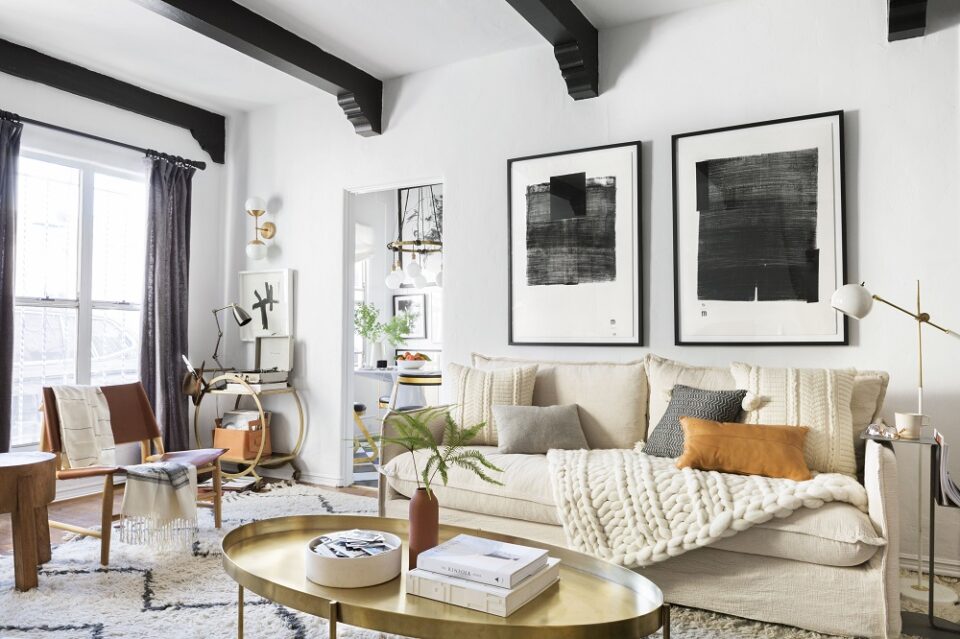
Over time, even the most thoughtfully designed living spaces can begin to feel static or uninspiring. Daily routines, changing seasons, and shifting personal tastes all contribute to a natural desire for visual change within the home. However, revitalizing a room does not require a costly, disruptive renovation or a complete replacement of your existing furniture.
The secret to a successful home refresh lies in the strategic execution of minor adjustments. By focusing on spatial layout, light distribution, textile layers, and intentional styling, you can completely alter the energy and aesthetic of any room. These simple yet effective home decor tips offer practical ways to breathe new life into your living environments.
Mastering the Art of Spatial Rearrangement
The layout of a room dictates how people move through it and how comfortable they feel while doing so. Before spending money on new decor, look at the physical arrangement of what you already own.
Define a Singular Focal Point
Every functional room needs a clear focal point that anchors the eye upon entry. In a living room, this could be a fireplace, a large window with a view, an accent wall, or a media console. In a bedroom, it is invariably the head of the bed. Rearrange your large furniture pieces to face or complement this focal point. Avoiding layouts that force furniture to compete for attention immediately creates a sense of order and structural purpose.
Create Breathing Room and Flow
A common decorating mistake is pushing every piece of furniture flat against the walls, which can result in a cold, rigid central void. Instead, try floating your furniture by pulling sofas and chairs a few inches away from the perimeter. This creates an illusion of spaciousness and encourages air circulation. Ensure there are clear walking paths at least two to three feet wide between major items so that navigating the room feels effortless and natural.
Layering Light for Warmth and Dimension
Lighting is one of the most powerful tools in interior design, capable of completely altering the perceived size, temperature, and mood of a living space. Relying solely on a single overhead light fixture often results in harsh shadows and a flat environment.
The Three-Layer Lighting Strategy
To achieve a sophisticated and adaptable ambiance, implement a layered lighting scheme consisting of ambient, task, and accent lighting.
-
Ambient Light: This is your foundational illumination, usually provided by ceiling fixtures or natural daylight, which allows you to see and move safely.
-
Task Light: Focused illumination designed for specific activities. Examples include a sleek adjustable brass lamp on a reading desk, under-cabinet LED strips in a kitchen, or a dedicated reading light beside a bed.
-
Accent Light: Visual punctuation that draws attention to specific architectural features, artwork, or plants. Small uplights hidden behind furniture or picture lights mounted over frames add depth and drama.
Maximizing Natural Light
Natural light is essential for a fresh, welcoming atmosphere. Heavy, dark draperies can make a room feel closed off and gloomy. Replace thick winter window coverings with sheer linen or lightweight cotton panels that diffuse sunlight while maintaining privacy. Strategically placing a large mirror on a wall directly opposite a main window will capture incoming daylight and bounce it deep into darker corners, instantly making the room feel twice as large.
Swapping Textiles and Texture for Seasonal Transitions
Textiles act as the skin of a room. Changing out soft goods is the fastest and most cost-effective method to inject new color palettes and tactile interest into a space without altering its fundamental structural pieces.
The Power of Accent Pillows and Throws
If your primary seating pieces, such as a sofa or armchair, are neutral tones like gray, beige, or navy, they serve as an ideal blank canvas. Swapping out accent pillow covers and throw blankets allows you to introduce a completely new mood. For warmer seasons, choose lightweight textiles such as cotton, linen, and silk in airy neutrals, soft pastels, or botanical tones. In colder seasons, shift toward heavy textures like chunky wool knits, velvet, faux fur, and deep jewel tones to create an instant sense of security and warmth.
Grounding the Space with Rugs
An area rug serves to visually define a specific zone within a larger room, particularly in open-concept floor plans. If your current rug feels tired or small, consider upgrading to a larger size that accommodates at least the front feet of all your seating furniture. For an innovative refresh, try layering a smaller, textured accent rug, like a vintage flatweave or a natural jute piece, directly on top of a larger, neutral low-pile rug. This creates a multi-dimensional foundation that elevates the entire room design.
Intentional Surface Styling and Edit Processes
A space can easily feel dated or chaotic due to the slow accumulation of clutter on flat surfaces like coffee tables, bookshelves, and mantels. Refreshing a space often involves taking things away before adding anything new.
The Clearing and Editing Technique
Begin your refresh by completely clearing off all decorative surfaces in the room, leaving them bare. Place all your objects, vases, books, and art pieces in a central staging area. Look at each item individually and evaluate its visual weight and personal meaning. Leave behind anything that feels broken, dusty, or no longer matches your current style preference.
Styling with the Rule of Threes
When placing decor back onto surfaces, avoid arranging items in stiff, straight rows. Instead, utilize the rule of threes, an interior design principle which dictates that objects arranged in odd numbers are naturally more appealing and balanced to the human eye. Group items of varying heights, shapes, and textures together. For example, on a coffee table, stack two large coffee table books horizontally, place a round ceramic vase with fresh greenery on top of the books, and set a textured candle beside the stack. This variation in scale creates a dynamic visual story.
Bringing the Outside In with Greenery
No room refresh is truly complete without the introduction of living organic matter. Plants add a vibrant pop of color, organic shapes that break up rigid furniture lines, and a sense of life that synthetic decor simply cannot replicate.
Choosing the Right Plant for the Space
Assess the lighting conditions of your room before purchasing plants. High-light areas can accommodate dramatic fiddle leaf figs, bird of paradise plants, or succulents. For darker rooms or corners with minimal indirect sunlight, opt for incredibly resilient species like snake plants, ZZ plants, or lush pothos vines. If maintaining live plants is a challenge, high-quality faux branches, such as dried eucalyptus or olive stems placed in a heavy stoneware jug, offer a beautiful, maintenance-free alternative.
Frequently Asked Questions
How can I make a low ceiling feel higher using simple decor techniques?
To create the optical illusion of height in a room with low ceilings, hang your curtain rods close to the ceiling line rather than directly above the window frame, and extend the curtains all the way down to touch the floor. This forces the eye to track vertically, lengthening the appearance of the wall. Additionally, utilize low-profile furniture that sits closer to the ground, and introduce vertical design elements like floor lamps, tall slender bookcases, or artwork framed with a distinct vertical orientation.
What is the best way to choose a cohesive color palette for a room refresh?
A reliable method for establishing a balanced color palette is the 60-30-10 design rule. Sixty percent of the room, typically the walls and large foundational furniture, should feature your dominant color, which is usually a versatile neutral. Thirty percent of the space, including secondary furniture, curtains, and area rugs, features your secondary color. The remaining ten percent is reserved for your accent color, which is distributed subtly through small decor items, throw pillows, and artwork to provide visual interest.
How do I display family photographs without making the living room look cluttered?
To display personal photographs elegantly, avoid scattering individual small frames across every available tabletop. Instead, consolidate your photos into a single, intentional gallery wall or arrange them uniformly on a dedicated picture ledge. Use matching frames and identical matting styles, such as clean black frames with wide white mats, to give the collection a cohesive, museum-like quality. Converting the photographs to black and white further unifies the images, regardless of when or where they were taken.
Can paint be used to refresh a room if I am renting and cannot change the wall color?
If you are unable to paint the structural walls due to rental restrictions, you can still utilize paint on a smaller, temporary scale. Consider painting the back panels of a freestanding open bookshelf in a bold contrast color to create a dramatic backdrop for your books and objects. Alternatively, look for affordable wooden accent furniture pieces, such as a thrifted side table or bench, and apply a fresh coat of high-gloss or matte paint to turn them into intentional statement pieces.
How do I accurately determine the correct size rug for a dining room?
A dining room rug must be large enough to accommodate not just the table, but also the chairs when they are pulled out for guests to sit down. To find the correct measurement, pull out the dining chairs as if people are sitting in them, and measure the perimeter around the outside of the chair legs. Generally, a dining room rug should extend at least twenty-four inches beyond all sides of the dining table to ensure that chair legs do not catch on the edge of the rug during use.
What are some simple ways to hide ugly electronics and cords in a living space?
Visible tangled cords instantly ruin the clean look of a refreshed room. Use plastic cord hider channels that attach to the wall and can be painted to match your wall color perfectly. For power strips sitting on the floor, utilize dedicated decorative cord management boxes that conceal the plugs while allowing cables to exit neatly through small side slots. Additionally, stack large decorative storage baskets under media consoles to physically block outlets and house gaming consoles or routers out of direct sight.
How often should I rotate my home decor items to keep the space looking fresh?
A seasonal rotation schedule, occurring roughly every three to four months, is an excellent cadence for keeping a living space feeling dynamic. You do not need to change everything; focus simply on rotating sensory items like scented candles, pillow covers, throw blankets, and the specific artwork or books displayed on your main surfaces. Moving an accent chair or a piece of art from the bedroom into the living room during these seasonal shifts costs nothing but provides an instant sense of novelty.