
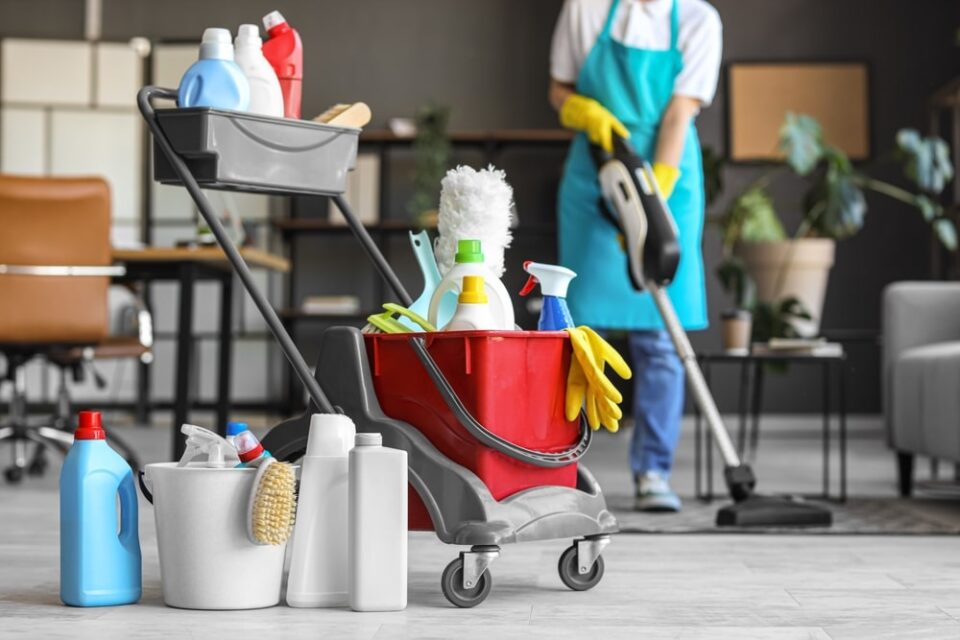
Professional-grade tools differ significantly from household alternatives. They are engineered to support long hours of use while maintaining consistent performance.
Key advantages include:
-
Enhanced cleaning efficiency with less effort
-
Longer lifespan under frequent use
-
Improved hygiene control in high-traffic areas
-
Reduced physical strain for cleaners
Investing in the right tools directly impacts productivity and cleaning quality.
Must-Have Cleaning Tools Used by Professionals
Commercial-Grade Vacuum Cleaners
Professional vacuum cleaners are designed for powerful, uninterrupted performance. They are suitable for carpets, hard floors, and high-traffic commercial environments.
Core features include:
-
HEPA filtration for dust and allergen removal
-
Strong suction and sealed airflow systems
-
Adjustable settings for multiple surfaces
These vacuums are essential for offices, hotels, and healthcare facilities.
Microfiber Cleaning Cloths
Microfiber cloths are a staple in professional cleaning kits due to their versatility and effectiveness.
Benefits of microfiber cloths:
-
Capture dirt and bacteria instead of spreading them
-
Require less water and fewer chemicals
-
Safe for glass, stainless steel, and delicate surfaces
Professionals often color-code microfiber cloths to prevent cross-contamination.
Mop Systems with Buckets and Wringers
Modern mop systems go beyond traditional string mops. Professionals use flat mops and microfiber mop systems for faster and more hygienic floor cleaning.
Why these systems are preferred:
-
Better water control reduces slip hazards
-
Replaceable mop heads improve sanitation
-
Efficient coverage for large floor areas
They are ideal for commercial spaces where speed and cleanliness matter.
Professional-Grade Cleaning Chemicals
While tools matter, professional cleaners also rely on industry-approved cleaning solutions designed for specific tasks.
Common types include:
-
Degreasers for kitchens and industrial areas
-
Disinfectants for restrooms and healthcare settings
-
Glass and surface cleaners for streak-free finishes
These products are formulated for effectiveness while complying with safety standards.
Scrub Brushes and Detail Brushes
Not all dirt can be removed with cloths or mops. Scrub brushes are essential for tackling stubborn grime.
Types commonly used:
-
Soft brushes for delicate surfaces
-
Medium-bristle brushes for general cleaning
-
Hard brushes for grout, tiles, and industrial areas
Detail brushes allow cleaners to reach tight corners and fixtures.
Squeegees for Glass and Floors
Squeegees are indispensable for professional window cleaning and wet floor maintenance.
Professional advantages:
-
Streak-free glass cleaning
-
Faster drying times
-
Reduced water residue on floors
They are commonly used in restrooms, kitchens, and commercial glass installations.
Cleaning Caddies and Tool Organizers
Efficiency depends on organization. Professional cleaners use caddies or rolling carts to keep tools accessible.
Why organization tools matter:
-
Reduce time spent searching for supplies
-
Improve workflow efficiency
-
Support safe transport of chemicals and equipment
Well-organized tools translate directly into faster job completion.
How Professionals Choose the Right Cleaning Tools
Professionals consider several factors before selecting tools:
-
Type of surface being cleaned
-
Frequency of use
-
Hygiene requirements
-
Ease of maintenance
Choosing the right combination ensures optimal results without unnecessary wear or effort.
FAQs
What makes professional cleaning tools different from household tools?
Professional tools are built for durability, higher performance, and frequent use, making them more efficient and cost-effective over time.
Are professional cleaning tools worth the investment for home use?
Yes, especially for larger homes or allergy-sensitive environments, as they offer better cleaning results and longevity.
How often should professional cleaning tools be replaced?
Replacement depends on usage frequency, but high-quality tools can last several years with proper maintenance.
Do professional cleaners use eco-friendly tools?
Many professionals use microfiber cloths, low-water systems, and environmentally safe cleaning solutions.
Can one set of tools work for all cleaning jobs?
No, different surfaces and environments require specialized tools for optimal results.
What is the most essential tool for professional cleaners?
A commercial-grade vacuum cleaner is often considered the most critical tool due to its versatility and impact on overall cleanliness.
How do professionals prevent cross-contamination while cleaning?
They use color-coded cloths, separate tools for different areas, and proper sanitation practices.