
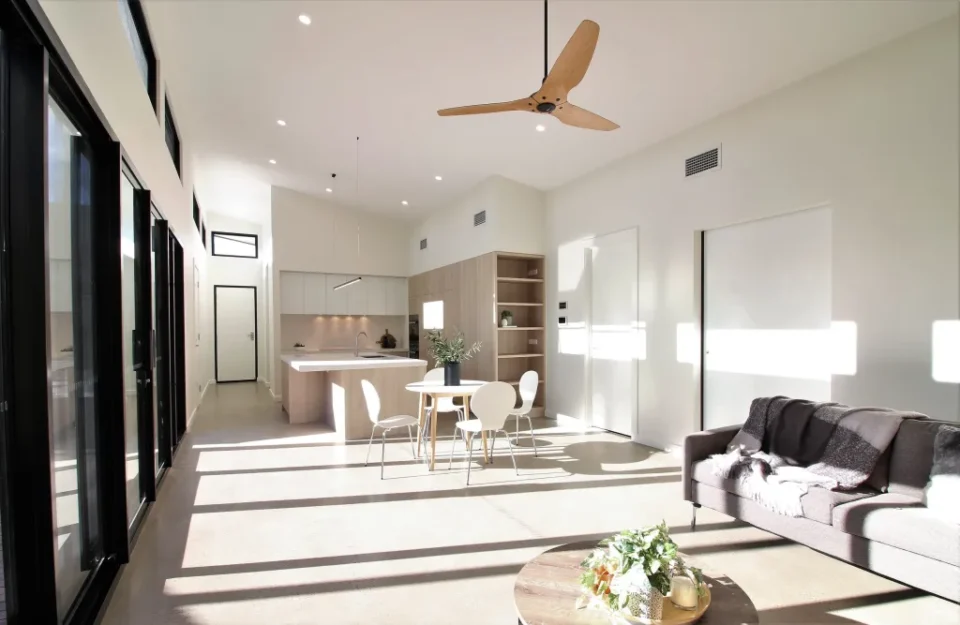
The concept of a cozy home often conjures images of plush blankets, roaring fireplaces, and warm, ambient lighting. Historically, achieving this level of comfort often came at the expense of high energy consumption. However, modern residential design and building science have proven that comfort and sustainability are not mutually exclusive. In fact, true coziness is deeply tied to how efficiently a home manages its internal environment.
A house that suffers from drafts, uneven temperatures, and damp air can never feel genuinely welcoming, no matter how many decorative elements are added. By implementing strategic upgrades to your home structural envelope, heating and cooling systems, and interior design, you can create a sanctuary that remains exceptionally comfortable throughout the year while drastically reducing your monthly utility costs.
Fortifying the Thermal Envelope: Insulation and Air Sealing
The structural envelope of a house consists of the walls, roof, windows, and foundation. It acts as the primary barrier between your controlled indoor living space and the unpredictable outdoor elements. Optimizing this boundary is the most critical step in establishing an energy-efficient, cozy home.
Upgrading Insulation Levels
Insulation acts as a blanket for your house, slowing down the transfer of heat. In the winter, it keeps precious warmth inside; in the summer, it prevents scorching heat from penetrating your living spaces. The attic is usually the most significant source of heat loss. Upgrading to the recommended insulation thickness based on your geographic climate zone can significantly lower heating demand.
Utilizing materials like blown-in cellulose or mineral wool provides excellent thermal resistance. Additionally, insulating crawl spaces, basements, and exterior walls eliminates cold spots that make rooms feel uninviting, ensuring an even temperature distribution across every floor.
Sealing Air Leaks and Drafts
Even a heavily insulated home will lose energy if it suffers from air infiltration. Tiny gaps around plumbing penetrations, electrical outlets, baseboards, and attic hatches collectively create a chimney effect, drawing cold air inward from the bottom of the house and pushing warm air out through the top.
Locating and sealing these leaks with expanding foam, silicone caulk, and weatherstripping transforms the indoor atmosphere. Eliminating these structural drafts removes the sudden chilly air currents that disrupt comfort, allowing your HVAC system to work far less to maintain a steady temperature.
Optimizing Windows and Window Treatments
Windows provide vital natural light and visual connections to the outside world, but they are also notorious thermal weak points, often accounting for a massive percentage of a home heating and cooling loss.
Investing in High-Performance Glazing
If your budget allows for structural upgrades, replacing old, single-pane windows with double-pane or triple-pane units featuring low-emissivity coatings is a game-changing investment. The space between the glass panes is filled with an inert gas like argon or krypton, which drastically reduces heat conduction. This technology keeps the interior glass surface close to room temperature, preventing the icy radiation effect that makes sitting near old windows uncomfortable during winter nights.
Strategic Use of Window Treatments
For an immediate and cost-effective boost to both efficiency and coziness, look to your interior window coverings. Cellular shades, also known as honeycomb shades, feature unique built-in air pockets that trap air right at the window pane, creating a highly effective thermal barrier.
Layering these shades with heavy, insulated draperies adds soft, luxurious texture to a room while blocking out winter drafts and summer solar heat. During cold months, opening these curtains on sun-facing windows during the day utilizes free solar heating, while closing them at dusk seals in the warmth.
Smart Climate Control and Zoning Systems
True residential comfort means having the right temperature in the right room at the right time. Relying on an outdated, manually adjusted thermostat often leads to energy waste and hot or cold spots throughout the house.
Implementing Smart Thermostats
Smart thermostats remove human error from climate control. These devices learn your daily household routines, automatically lowering the temperature when the house is empty or when everyone is asleep, and raising it just before you wake up or return home. By optimizing these temperature setbacks, homeowners can cut heating and cooling bills substantially without ever sacrificing daily comfort.
Establishing Zoning Solutions
In multi-story homes, a single central thermostat rarely provides balanced comfort. Heat naturally rises, leaving basements freezing and upper bedrooms uncomfortably warm. Implementing a zoned HVAC system utilizes automatic dampers within the ductwork to direct conditioned air precisely where it is needed based on independent thermostats.
Alternatively, installing ductless mini-split heat pumps allows you to control the temperature of individual rooms independently, meaning you only pay to heat or cool the specific spaces you are currently utilizing.
Enhancing Ambiance Through Efficient Lighting and Textures
Once the structural and mechanical elements of the home are optimized, interior design choices can visually and physically enhance the sense of warmth and efficiency.
Transitioning to Warm LED Lighting
Lighting heavily influences human psychology and perception of comfort. Traditional incandescent bulbs produced warmth but wasted ninety percent of their energy as heat. Modern light-emitting diode bulbs consume a fraction of the electricity and last for decades.
To maintain a cozy aesthetic, select LED bulbs that have a warm color temperature rating between 2700 Kelvin and 3000 Kelvin. This produces a soft, golden glow similar to candlelight. Integrating dimmer switches allows you to adjust the lighting levels to fit the time of day, creating a relaxing environment while further reducing electricity usage.
Leveraging Tactile, Sustainable Textures
Decor plays an essential role in how warm a home feels to the senses. Hardwood, tile, and laminate flooring can feel cold beneath bare feet, which encourages people to crank up the thermostat. Introducing thick area rugs made from natural, renewable fibers like wool adds instant insulation to floors and cushions your step. Wool is a fantastic natural insulator that helps regulate room humidity.
Layering sofas and beds with organic cotton, linen, and hemp throws provides physical warmth whenever needed, allowing you to comfortably lower your home ambient temperature by a few degrees.
Frequently Asked Questions
What is the ideal humidity level for a home to feel both cozy and efficient?
The optimal relative humidity level for a residential home is between thirty and fifty percent. During the winter, cold outdoor air holds less moisture, and running heating systems dries out the indoor air further. Low humidity causes moisture to evaporate quickly from your skin, making you feel colder than the actual room temperature, while also irritating your nasal passages. Utilizing a humidifier to bring the humidity up to around forty percent traps heat in the air more effectively, allowing you to feel comfortable at a lower thermostat setting.
How does proper ventilation impact energy efficiency in a tightly sealed home?
When a home is thoroughly air-sealed to maximize energy efficiency, it retains stale indoor air, moisture, and pollutants. To maintain a healthy and comfortable living environment, controlled ventilation is necessary. Installing a heat recovery ventilator or an energy recovery ventilator solves this issue. These systems continuously exhaust stale indoor air and bring in fresh outdoor air, but they pass the two air streams through a specialized core that transfers the heat from the outgoing air to the incoming air, ensuring fresh air delivery with minimal energy loss.
Can ceiling fans really help lower heating bills during the winter months?
Yes, ceiling fans are highly effective tools for winter energy efficiency if used correctly. Most ceiling fans feature a small switch on the motor housing that reverses the direction of the blades to rotate clockwise. When run on the lowest speed setting in a clockwise direction, the fan creates an upward draft. This pushes the warm air that naturally collects near the ceiling down into the living space without creating a chilling breeze, allowing you to stay warm without raising the thermostat.
What are the most energy-efficient options for homeowners who love fireplaces?
Traditional open brick fireplaces are highly inefficient, as they draw warm air out of the room and send it up the chimney, wasting more heat than they produce. To maximize efficiency while keeping the cozy ambiance, consider installing a sealed gas or wood fireplace insert. These units feature glass doors and insulated fireboxes that trap heat and radiate it back into the room. Alternatively, electric fireplaces offer an ultra-efficient option that provides localized, zone heating with or without the flame visual, consuming minimal power.
How do dark exterior paint colors affect a home energy efficiency?
Exterior paint colors impact how a home absorbs solar radiation. Dark colors, such as deep grays, navy, or black, absorb up to ninety percent of the suns thermal energy, transferring that heat directly through the walls into the living space. While this can provide a minor heating benefit during long, cold winters, it significantly increases cooling costs during the summer. Light exterior colors reflect solar heat, keeping the structure cooler and reducing the workload on your air conditioning system.
Is it more efficient to leave the heat at a constant temperature or turn it down when away?
It is a common misconception that turning down the heat when you leave for work forces your system to use more energy to warm the house back up later. In reality, a home loses heat faster when the temperature difference between the indoors and outdoors is high. By lowering the thermostat by seven to ten degrees when you are away for eight hours, you slow down this heat loss, resulting in substantial energy savings compared to maintaining a high, constant temperature all day.
How do heavy appliances like water heaters contribute to overall home coziness?
A water heater impacts comfort through its ability to provide steady, reliable hot water for showers, baths, and chores. Standard tank water heaters continuously heat a large volume of water day and night, leading to standby energy losses. Upgrading to a tankless, on-demand water heater or a hybrid heat pump water heater ensures you never run out of hot water during a relaxing bath, while cutting water heating energy consumption by up to fifty percent.