
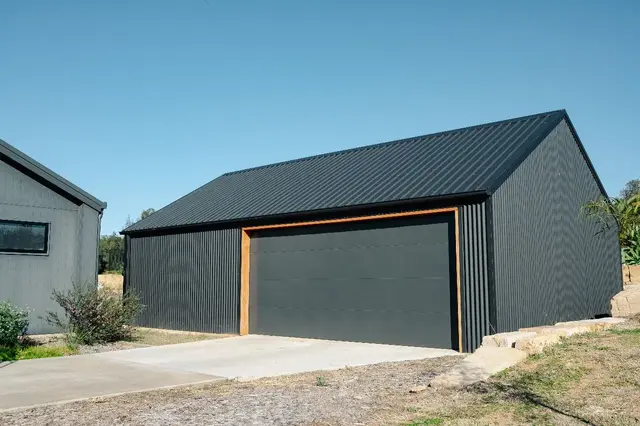
Homeowners across the country are rethinking how they use their outdoor space. Instead of cluttered garages and overcrowded basements, many are investing in functional outdoor structures that add organization and flexibility. Modern garage sheds are no longer basic storage boxes tucked into the backyard. They are practical, durable extensions of the home that can serve multiple purposes for years to come.
Whether you need vehicle storage, a private workshop, or a secure place for seasonal equipment, a properly planned garage shed can transform how your property functions. The key is approaching the project strategically, from design and materials to layout and long-term maintenance.
Identifying the Primary Purpose of Your Garage Shed
Before selecting materials or comparing sizes, you must define exactly how the structure will be used. A shed built for gardening tools will differ greatly from one designed to store a vehicle or support daily woodworking.
Vehicle Storage
If you plan to house a car, motorcycle, ATV, or riding mower, consider:
-
Wide door openings with proper clearance
-
Reinforced flooring capable of supporting weight
-
Adequate ceiling height
-
Proper ventilation for exhaust fumes
Vehicle storage requires durability and safety planning beyond standard storage needs.
Workshop or Hobby Space
For hands-on work, functionality matters just as much as square footage. A productive workshop should include:
-
Electrical outlets placed strategically
-
Bright overhead lighting
-
Workbench space
-
Organized wall storage for tools
Planning your layout in advance ensures you avoid cramped or inefficient setups.
General Storage
If the primary goal is organization, think about what items will be stored seasonally versus year-round. Shelving systems, hooks, and loft space can significantly increase storage efficiency without increasing the footprint.
Evaluating Location and Property Layout
Choosing the right spot in your yard affects accessibility, drainage, and long-term durability.
Accessibility and Convenience
The structure should be easy to access from your home and driveway. If storing vehicles or heavy equipment, ensure:
-
A smooth path for driving or pushing equipment
-
Adequate turning radius
-
Clearance from fences or landscaping
Convenience increases how often the shed is used effectively.
Drainage and Ground Stability
Water is one of the most common causes of structural damage. Avoid low-lying areas where rain collects. Ideally, select a location that:
-
Sits slightly elevated
-
Has natural drainage
-
Can support a stable foundation
Proper site preparation prevents long-term structural issues.
Sunlight and Climate Exposure
Consider how sunlight affects the structure throughout the year. In warmer states, excessive heat may require insulation or ventilation upgrades. In colder climates, wind exposure and snow load capacity must be factored into the design.
Choosing the Best Foundation Type
A shed is only as strong as its foundation. Skipping proper groundwork often leads to shifting, cracking, and premature deterioration.
Concrete Slab Foundation
Concrete slabs offer maximum durability and stability. They are ideal for:
-
Vehicle storage
-
Heavy equipment
-
Long-term structures
Although more expensive upfront, concrete reduces future repair costs.
Gravel Base
A compacted gravel base is cost-effective and promotes drainage. It works well for lighter storage sheds but may not be suitable for heavy vehicles without additional reinforcement.
Elevated Wood Platform
Wood platforms are useful for uneven terrain and can help protect against ground moisture. Pressure-treated lumber is essential to prevent rot and insect damage.
Structural Materials and Their Long-Term Impact
Material selection influences appearance, maintenance, insulation capability, and lifespan.
Wood Construction
Wood remains one of the most popular choices due to its traditional appearance and flexibility.
Benefits include:
-
Easy customization
-
Strong framing potential
-
Paint or stain adaptability
However, wood requires regular sealing and inspection to prevent moisture damage.
Metal Construction
Metal structures are valued for strength and low maintenance.
Advantages include:
-
Resistance to pests
-
Fire resistance
-
Minimal upkeep
Proper insulation is important since metal can trap heat or develop condensation in certain climates.
Vinyl and Resin Options
Vinyl sheds appeal to homeowners who want minimal maintenance.
Key benefits:
-
Resistance to rot
-
No painting required
-
Lightweight components
These structures are best for lighter storage needs unless reinforced for heavier applications.
Designing for Efficiency and Organization
Interior layout plays a major role in long-term usability.
Vertical Storage Solutions
Maximize wall space with:
-
Adjustable shelving
-
Pegboards
-
Magnetic tool strips
-
Overhead racks
Using vertical space keeps the floor clear and improves safety.
Zoning the Interior
Divide the shed into designated areas. For example:
-
One section for power tools
-
One section for lawn equipment
-
One workspace bench
Clear zones prevent clutter and improve productivity.
Lighting Design
Lighting affects comfort and efficiency. Install:
-
LED ceiling fixtures
-
Task lighting above workbenches
-
Exterior motion lights for security
Natural light through windows can reduce daytime electricity use.
Insulation and Climate Control Considerations
If you plan to spend extended time inside your shed, comfort matters.
Wall and Roof Insulation
Adding insulation helps regulate temperature and reduce noise. Common materials include:
-
Fiberglass batts
-
Rigid foam panels
-
Spray foam insulation
Insulated walls also protect stored items from extreme temperature swings.
Ventilation Systems
Proper airflow prevents mold growth and condensation. Options include:
-
Ridge vents
-
Gable vents
-
Exhaust fans
-
Operable windows
Ventilation is especially important in humid regions.
Heating and Cooling Options
Depending on your location, you may benefit from:
-
Portable electric heaters
-
Mini-split HVAC systems
-
Window air conditioning units
Consult a professional for safe installation if adding electrical heating or cooling equipment.
Electrical Planning and Safety
Running electricity to your shed expands its functionality but requires careful planning.
Essential Electrical Features
-
Dedicated breaker panel
-
Multiple grounded outlets
-
Surge protection
-
Exterior security lighting
Electrical work should comply with local codes and be completed by a licensed professional when required.
Backup Power Options
Some homeowners install solar panels or battery backup systems to maintain lighting and operate small tools during outages.
Enhancing Security and Protection
Garage sheds often house expensive tools and equipment. Strong security measures are essential.
Door and Lock Reinforcement
Install:
-
Heavy-duty deadbolts
-
Reinforced strike plates
-
Solid-core doors
Weak hardware is one of the most common vulnerabilities.
Visibility and Monitoring
Position the shed within clear view of your home when possible. Adding security cameras or motion-activated lights further deters theft.
Matching Design with Home Aesthetics
A thoughtfully designed shed can enhance curb appeal rather than detract from it.
Exterior Coordination
Consider matching:
-
Roof shingles
-
Siding color
-
Trim details
-
Window style
Consistency creates a cohesive property appearance.
Landscaping Around the Shed
Planting shrubs or installing stone pathways can integrate the structure naturally into your yard design.
Budget Planning and Cost Breakdown
Understanding cost factors helps prevent overspending.
Major Cost Categories
-
Foundation installation
-
Building materials
-
Labor if hiring contractors
-
Electrical and insulation upgrades
-
Permits and inspections
Request detailed estimates and account for unexpected expenses.
Long-Term Value Perspective
While it may be tempting to choose the cheapest option, investing in quality materials and professional installation often reduces maintenance and replacement costs over time.
Navigating Local Regulations and Permits
Building codes vary by city and county.
Common Requirements
-
Zoning compliance
-
Property line setbacks
-
Maximum height restrictions
-
Permit approval before construction
Failing to secure permits can result in fines or required removal of the structure.
Maintenance Strategies for Longevity
Regular upkeep ensures your shed remains functional and attractive.
Seasonal Maintenance Tasks
-
Inspect roofing materials
-
Clean gutters and drainage areas
-
Check for cracks or leaks
-
Repaint or reseal wood surfaces as needed
Preventative Measures
Apply weatherproof sealants and address small repairs promptly to avoid larger structural issues later.
Frequently Asked Questions
How do I determine if my yard can support a large shed?
Start by evaluating soil stability and slope. A contractor or local building inspector can assess whether grading or reinforcement is necessary. Soft soil may require a reinforced concrete foundation for stability.
Can I finance the construction of a garage shed?
Many homeowners use personal loans or home improvement financing options. Some builders also offer installment plans. Always compare interest rates and ensure the payment schedule fits your budget.
What type of roof is best for heavy snow areas?
In regions with significant snowfall, a steep-pitch roof helps prevent snow accumulation. Reinforced rafters and proper load calculations are critical for safety.
How do I protect tools from humidity?
Use moisture absorbers, install ventilation, and consider a small dehumidifier. Insulation combined with proper airflow significantly reduces humidity issues.
Is it possible to relocate a shed later?
Smaller prefabricated sheds can sometimes be moved using professional equipment. Larger structures built on concrete slabs are typically permanent and not designed for relocation.
Should I install plumbing in my shed?
Plumbing is possible but requires permits and professional installation. It is usually practical only if the shed is intended for extended daily use such as a studio or workspace.
How much resale value does a shed add to a home?
The added value depends on size, build quality, and location. While it may not always increase appraisal value dollar for dollar, it can make your property more appealing to buyers seeking additional storage or workspace.